

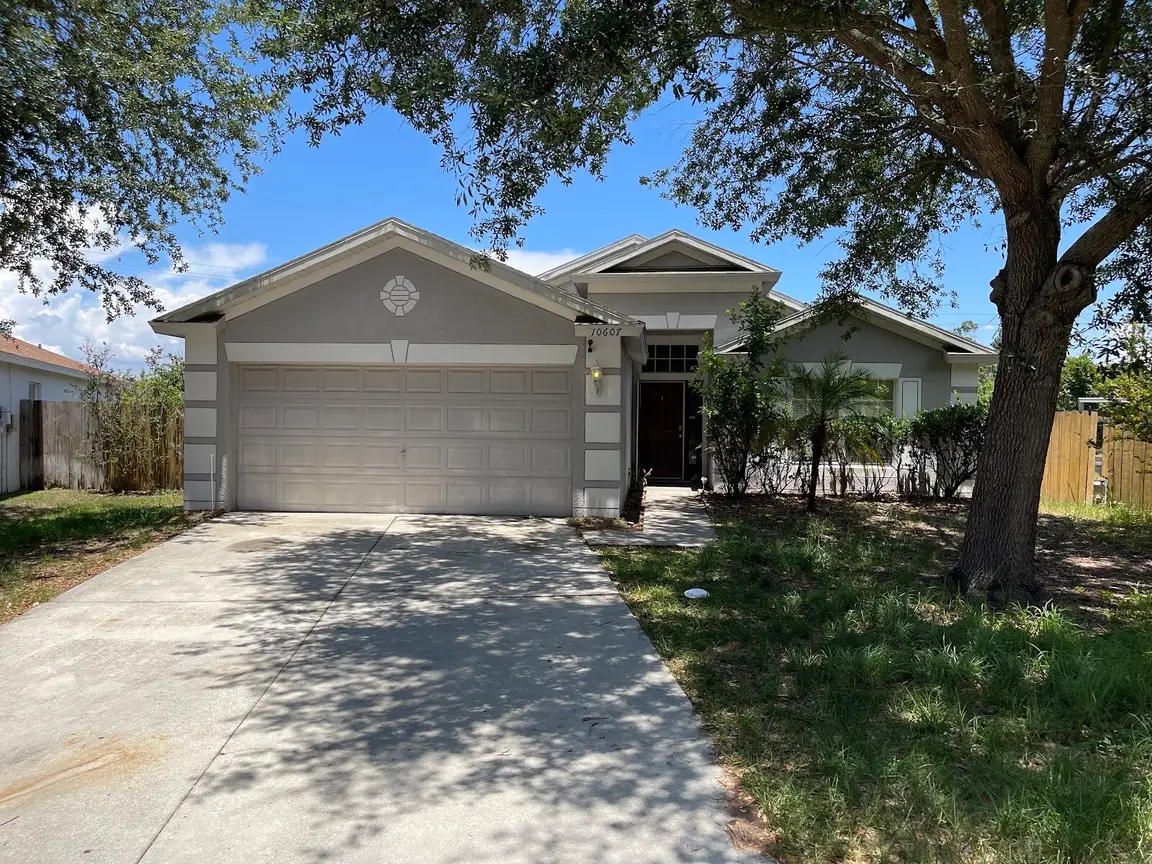
Getting a foreclosure letter can make your stomach drop. The calls, the legal papers, the fear of losing your home and your credit. But here’s what most Florida homeowners don’t know: foreclosure here is a court process, and it usually takes months. That gives you time to act, if you use it. Reliable Home Buyers helps Florida homeowners understand where they stand, and when selling makes sense, we buy houses in foreclosure for cash, as-is.
Prefer to talk? Call us at 866-392-2177
Written by Charles M. Contreras, founder of Reliable Home Buyers, Florida real estate license SL3330937. Reliable Home Buyers has made the Inc. 5000 list two years in a row. Updated November 2026.
Short answer: Yes, you can usually stop a foreclosure in Florida. You can catch up on what you owe, work out a deal with your lender, or sell the house. In most cases your right to stop it lasts until the court clerk files the certificate of sale after the auction. The earlier you act, the more options you have.
Key takeaways
- Federal rules generally keep your lender from starting foreclosure until you’re more than 120 days behind.
- Florida is a judicial foreclosure state. The lender has to sue you in court, and you usually have 20 days to respond after you’re served.
- After a final judgment, the auction is usually set 20 to 35 days out.
- Selling before the auction can protect your equity and keep a foreclosure off your credit.
- If the auction doesn’t cover the debt, the lender has one year to go after you for the difference.
On this page: How we help · The Florida foreclosure timeline · Your options to stop it · Selling before the auction · If you do nothing · Foreclosure scams · Free resources · Common situations · Our process · Case studies · FAQ
How We Help Homeowners Facing Foreclosure
We’re not attorneys, and we won’t pretend to be. What we do is help Florida homeowners in foreclosure every month, and here’s how:
- We know how Florida foreclosures work. Send us your notices or case number, and we’ll walk through exactly where you stand and how much time you realistically have.
- We work with your lender for you. We get the correct payoff, keep an eye on the sale date, and coordinate with the title company so your loan is paid in full at closing.
- We build the plan around your situation. If selling is the right move, we structure the sale to put money in your pocket, not the bank’s.
- We can give you time to relocate. On a case-by-case basis, you can stay in the home for a short time after closing so you’re not rushed out.
- We cover the closing costs. No commissions and no closing fees come out of what you walk away with.
- We’ll tell you when selling isn’t your best option. If you have a real shot at a loan modification, or you need a foreclosure attorney, we’ll say so and point you in the right direction.
The Florida Foreclosure Timeline, Step by Step
Every case moves at its own pace, but almost every Florida foreclosure goes through these stages. Find where you are, and you’ll know how much room you have.
| Stage | What happens | Your options right now |
|---|---|---|
| 1. Missed payment | A late fee usually hits after the grace period. Your servicer starts calling and sending letters. | Call your servicer, catch up, or ask about a repayment plan. Every option is still open. |
| 2. 30 to 120 days behind | Your servicer has to reach out about options. Federal rules generally block a foreclosure filing until you’re more than 120 days behind. | Apply for help (loan modification, forbearance) or start talking to buyers. This is the best time to sell. |
| 3. Lawsuit filed | The lender files a foreclosure complaint and records a lis pendens, a public notice that the house is in a lawsuit. You get served. | You usually have 20 days to file a response. Talk to a foreclosure attorney. You can still sell. |
| 4. The court case | Motions, possible mediation, and hearings. This stage often takes months, longer if you contest it. | Keep working with the lender, or sell. Two of our recent foreclosure purchases had a lis pendens on record when the owner called us. |
| 5. Final judgment | The judge rules for the lender and sets the amount owed. The sale is usually set 20 to 35 days later. | Time is short, but you can still pay off the debt or sell before the sale. |
| 6. Auction | The county clerk auctions the house online. Once the clerk files the certificate of sale, your right to stop it (called redemption) generally ends. | After this point, your main option is claiming any surplus money from the sale. |
| 7. Certificate of title | About 10 days after the sale, the clerk issues title to the buyer if no one objects. Then the new owner can move to remove you. | Plan your move. Claim any surplus funds with the clerk. |
How long does it take overall? It varies by county and by whether you fight it. Many Florida foreclosures take six months to two years from the first filing.
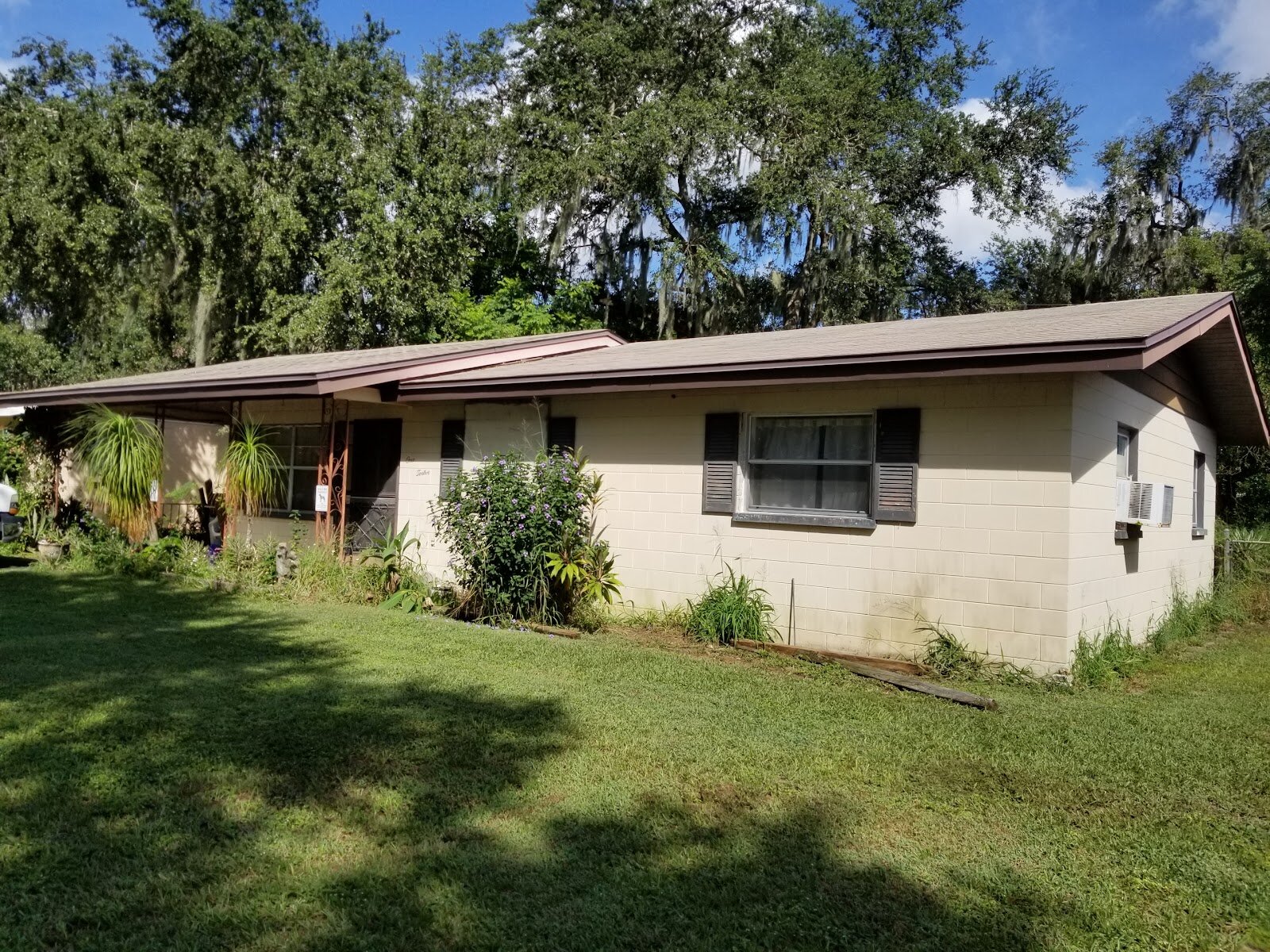
Your Options to Stop Foreclosure in Florida
There’s no one-size-fits-all answer. Here are the real options, the good and the bad of each.
| Option | How it works | Best when | Watch out for |
|---|---|---|---|
| Reinstatement | Pay everything you’re behind on, plus fees, in one payment. | You’ve got the cash now, or soon. | Fees and attorney costs grow the longer the case runs. |
| Repayment plan or forbearance | The lender spreads out what you owe, or pauses payments for a while. | Your money problem was short-term and is fixed now. | You need to keep up with the new payments. |
| Loan modification | The lender changes your loan terms to lower the payment. | You want to keep the house and have steady income. | Paperwork, delays, and denials are common. Apply early. |
| Refinance | A new loan pays off the old one. | You have good equity and decent credit. | Hard to qualify for once you’re behind. |
| Short sale | You sell for less than you owe, with the lender’s approval. | You owe more than the house is worth. | Lender approval takes time. Credit still takes a hit. |
| Deed in lieu | You sign the house over to the lender. | You owe more than it’s worth and just want out. | Lender has to agree, and you walk away with nothing. |
| Sell for cash | A buyer like us pays off your loan at closing. Any money left over is yours. | You have equity, or the house needs work, or time is short. | You trade some top-dollar price for speed. Compare offers. |
| Bankruptcy | Filing triggers an automatic stay that pauses the foreclosure. | You need legal protection from several debts at once. | Serious long-term effects. Talk to a bankruptcy attorney first. |
We’re home buyers, not attorneys. If you’ve been served, talk to a Florida foreclosure attorney about your defenses and deadlines.
Which Options Fit Your Stage?
- Early (behind, but nothing filed yet): catching up, a repayment plan, forbearance, a loan modification, refinancing, or selling. You have the most choices here.
- Middle (you’ve been served): a loan modification, a short sale, or selling. Some courts also send foreclosure cases to mediation, which can open the door to a deal.
- Late (judgment entered, auction date set): paying off the judgment, selling fast, a deed in lieu, or bankruptcy. Every day counts now.
Why Selling Before the Auction Is Often the Smartest Move
If keeping the house isn’t realistic, selling before the auction is usually the way to walk away in the best shape. Here’s why:
- You keep your equity. If your house is worth more than you owe, the difference goes to you at closing, not lost to fees and a low auction bid.
- No foreclosure on your record. A sale isn’t a foreclosure. A completed foreclosure usually stays on your credit report for seven years.
- No deficiency judgment. When the sale pays off the loan, there’s no leftover balance for the lender to chase.
- You pick the moving date. No sheriff, no deadline set by someone else.
Owe more than the house is worth? We can still help. We’ll tell you honestly whether a short sale makes sense and what it takes to get the lender to agree.
What Happens If You Do Nothing
- Fees pile up. Late fees, interest, and the lender’s legal costs get added to what you owe.
- You could owe money after you lose the house. If the auction brings less than the debt, the lender can seek a deficiency judgment. For most homes, Florida gives the lender one year after the sale to do it.
- Surplus money can sit unclaimed. If the auction brings more than you owe, the extra goes to the former owner, but you have to file a claim with the clerk. After a year, unclaimed surplus is sent to the state.
- Your credit takes the biggest hit. A foreclosure is one of the most damaging things that can show up on a credit report.
Watch Out for Foreclosure Scams
People in foreclosure get flooded with letters and calls. Most are harmless. Some are not. Be careful with anyone who:
- Asks for money upfront to “save” your home. Florida law and federal rules generally ban foreclosure rescue and loan modification companies from charging fees before they deliver results.
- Tells you to stop talking to your lender or your attorney.
- Asks you to sign your deed over to them so they can “fix” things while you stay in the home.
- Offers to recover surplus funds for a big cut before you’ve even checked with the clerk yourself.
A real home buyer never charges you a fee. You get a written offer, you can show it to anyone you want, and the closing happens at a licensed title company. Read more about avoiding foreclosure scams.
Free Help and Trusted Resources
Whether or not you sell to us, these free resources are worth knowing about:
- Find a HUD-approved housing counselor (Consumer Financial Protection Bureau). Free or low-cost help talking to your lender about options like a loan modification.
- Help for homeowners behind on payments (Consumer Financial Protection Bureau). Plain-English steps and what your servicer has to do.
- The Florida Bar Lawyer Referral Service. A way to find a Florida foreclosure attorney if you’ve been served.
Common Foreclosure Situations We Help With
“I’m a few months behind, but nothing’s been filed yet.” This is the best time to act. You have the most options and the most time.
“I got served and there’s a lis pendens on my house.” You can still sell. A lis pendens doesn’t stop a sale. The lender gets paid at closing, and the case gets dismissed.
“The auction is in a few weeks.” Call today. Our fastest recent foreclosure purchase closed in about three weeks, and we’ll tell you honestly whether your timeline can work.
“I inherited a house that’s in foreclosure.” Heirs get caught by this all the time. See our guide to selling an inherited house in Florida.
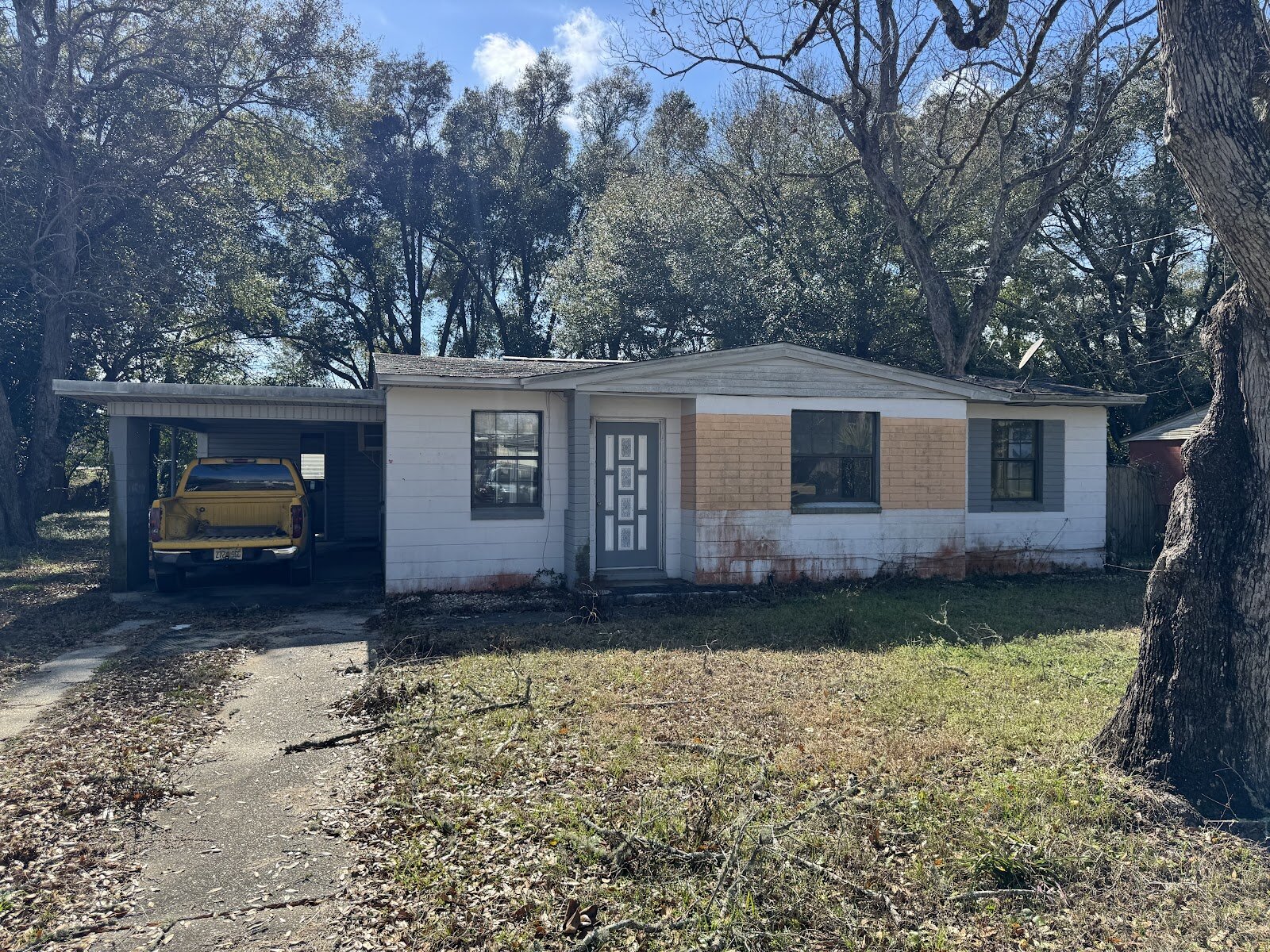
“The house needs a lot of work.” We buy as-is: old roof, water damage, boarded windows, whatever it is. You don’t fix a thing.
“My HOA is foreclosing.” In Florida, homeowners and condo associations can foreclose over unpaid dues too. The same options apply, including selling.
How Selling a House in Foreclosure to Us Works
- Tell us about the house and the case. Fill out the short form, or call us at 866-392-2177 Have your case number or auction date handy if you have one.
- Get a fair cash offer. We look at the house, check the payoff, and give you a written offer with no obligation. We’ll tell you what you’d walk away with.
- Close before the sale. A local title company gets the payoff from your lender and pays it at closing. The foreclosure case is then dismissed, and any money left over goes to you.
Real Foreclosure Houses We’ve Bought in 2026
- 2*** 28th St S, St. Petersburg. The owner was facing foreclosure and found us through our website. Signed contract September 16, closed October 9, just over three weeks later.
- 1**** 164th Ct N, Jupiter. A lis pendens had been filed, and the owner still had equity in the house. Signed contract September 9, closed October 9, before any auction.
- 5** Robin Hill Pl, Brandon. Another pre-foreclosure with a lis pendens on record and equity in the home. Signed contract September 10, closed October 20.
Frequently Asked Questions About Foreclosure in Florida
How long does foreclosure take in Florida?
It depends on the county and whether you contest the case. Lenders generally can’t file until you’re more than 120 days behind, and many cases then take six months to two years to reach an auction.
Can I sell my house if it’s in foreclosure?
Yes. You can sell at any point before the auction. Your lender is paid off at closing, and any equity left over is yours.
Can I stop a foreclosure sale at the last minute?
Sometimes. In Florida, you can generally redeem the property by paying the full judgment amount until the clerk files the certificate of sale. Selling or reaching a deal with the lender before the sale date is far easier than waiting.
What is a lis pendens?
It’s a public notice, recorded with the county, that says the property is involved in a lawsuit. It doesn’t stop you from selling. It just means the lender’s claim has to be paid at closing.
Will I still owe money after a foreclosure in Florida?
You might. If the auction brings less than you owe, the lender can seek a deficiency judgment, usually within one year after the sale for most homes. Selling before the auction for enough to pay off the loan avoids this.
Is selling better for my credit than foreclosure?
Usually, yes. A completed foreclosure is one of the most damaging items on a credit report and typically stays for seven years. A regular sale that pays off your loan doesn’t show up as a foreclosure.
Do you charge any fees?
No. There are no fees and no commissions to sell to us, and we cover the closing costs. The offer we make is what we pay, and closing happens at a licensed title company.
Don’t Wait for the Auction Date
The sooner you act, the more options you have and the more equity you keep. Fill out the form, or call us at 866-392-2177 We’ll look at your situation, give you a fair no-obligation cash offer, and tell you honestly whether another option might be better for you.
We buy houses in foreclosure across Florida, including: Tampa · Orlando · Jacksonville · Melbourne · Daytona Beach · Sarasota · West Palm Beach · Fort Myers · Ocala · Pensacola
More help: Selling a house when you’re behind on payments · Selling fast during foreclosure in Ocala · Selling an inherited house in Florida
Disclaimer: This page is general information, not legal, tax, or credit advice. Reliable Home Buyers is a home buying company, not a law firm. If you’ve been served with a foreclosure lawsuit, talk to a Florida attorney about your rights and deadlines.